
Bibhutibhushan Bandyopadhyay · Nischindipur, rural Bengal
Pather Panchali
4 min read · Theme: Childhood, poverty, and wonder
Source: Novel, serialised 1928, published 1929; filmed by Satyajit Ray in 1955
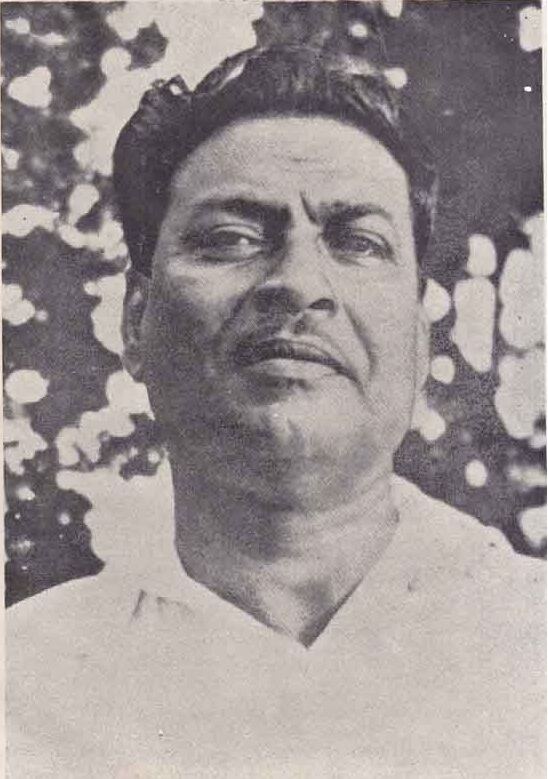
In the village of Nischindipur, a poor Brahmin family struggles to get by while two children, Durga and her little brother Apu, discover the world — orchards, monsoon rain, travelling players and the distant sound of a train. Joy and grief live side by side until the family must leave home forever.
In Nischindipur, a village of bamboo groves and ponds, lives Harihar Ray, a gentle, impractical priest and would-be writer who never earns enough. His wife Sarbajaya carries the real weight of the household. Living with them is Harihar's old, distant relative Indir Thakrun, who has nowhere else to go.
Indir Thakrun is bent and toothless, owns one torn cloth and a brass bowl, and loves the little girl Durga with all her heart. Sarbajaya, worn out by poverty, resents the extra mouth and is often cruel to the old woman. Driven out after one quarrel too many, Indir Thakrun dies alone in a neighbour's courtyard. Durga is the one who misses her most.
Apu is born, and as he grows, his elder sister Durga becomes his guide to everything. Barefoot and wild, she knows where the best wild fruits grow and which neighbour's mango tree is easiest to raid. She steals guavas and green mangoes from the orchards, shares them with Apu, and is scolded for it by her mother and the neighbours.
Apu is a dreamer. He reads his father's old books, sits in the village school run by the grocer, and loses himself in the stories of the Mahabharata. When a troupe of jatra players comes to the village, he is so enchanted by the prince and the sword-fights that he plays at being a hero for weeks.
The children have heard of the railway that runs somewhere beyond the fields. One day they set off through the white kash flowers to find it, but the line is farther than they thought, and they have to turn back before they reach it. Seeing the train becomes their shared dream — a promise of the wide world beyond Nischindipur.
Poverty presses harder. A wealthy neighbour accuses Durga of stealing a small gold box; she is humiliated, and Sarbajaya, ashamed, drags her out of the house by her hair. Harihar leaves the village to look for work in distant towns, promising to send money. For months no letters come, and Sarbajaya sells what little she has to feed the children.
When the monsoon comes, Durga dances joyfully in the first heavy rain while Apu watches. That night she shivers with fever. The fever does not go away. One stormy night, while wind and rain batter the crumbling house and Sarbajaya holds her, Durga dies.
Days later Harihar comes home, cheerful, with a little money and presents — among them a new sari for Durga. Not knowing, he calls for her. Sarbajaya's silence, and then her cry, tell him everything.
With nothing left to hold them in Nischindipur, the family decides to move to Benares. While packing, Apu finds the little gold box that Durga had always denied taking, hidden away. He looks at it for a moment and, without telling anyone, flings it far into the bamboo thicket, keeping his sister's secret forever.
On the journey Apu finally sees the train — the train he and Durga had dreamed of together — and his heart aches that she is not there to see it. As the village fades behind them, the novel ends with the road itself: the endless road of life that leads Apu forward, into the world, beyond the bamboo groves of his childhood.
Durga’s days were full of small discoveries: a fruit hidden behind a fence, a neighbour’s courtyard after rain, the sound of a travelling seller long before he came into view. She was often blamed when something went missing, and sometimes she had taken it; but she also brought home little gifts for Apu, who followed her through the lanes as if she knew every secret of the world.
Sarbajaya’s anger often came from fear. She knew the neighbours watched her family and measured every shortage against their dignity. When Durga returned muddy or empty-handed, her mother scolded her; later, when the girl was asleep, Sarbajaya would look at her face and smooth her hair. Love and resentment lived close together in the narrow house, each sharpened by the same poverty.
The day the children finally heard the train, it came as a trembling in the air before it became a sound. Durga and Apu ran through the tall kash, stumbling and laughing, until the black engine appeared and pulled a line of carriages behind it. They stood still as it passed. For a moment the world was larger than every path they knew; then the train was gone, and they walked home carrying the secret of what they had seen.
After Durga’s death, the house sounded different. Apu no longer had a sister to call him into the orchard, and Sarbajaya moved through the rooms as if every object were waiting for a girl who would not return. Harihar’s gifts could not repair what the family had lost. The hidden box became Apu’s last act of loyalty: he let the accusation disappear with the village, so his sister’s memory would not be reduced to a quarrel over a stolen thing.
“Childhood, poverty, and wonder”
The complete story, retold in our own words for this archive from the original text.
See where it comes from on the map — Bongaon and the Ichamati